
Wildlife Response Hub
In developmentFound injured wildlife? Stay safe and get the right help quickly.
General guidance for the first few minutes, plus local contacts. Tracks of Change is not an emergency rescue service.
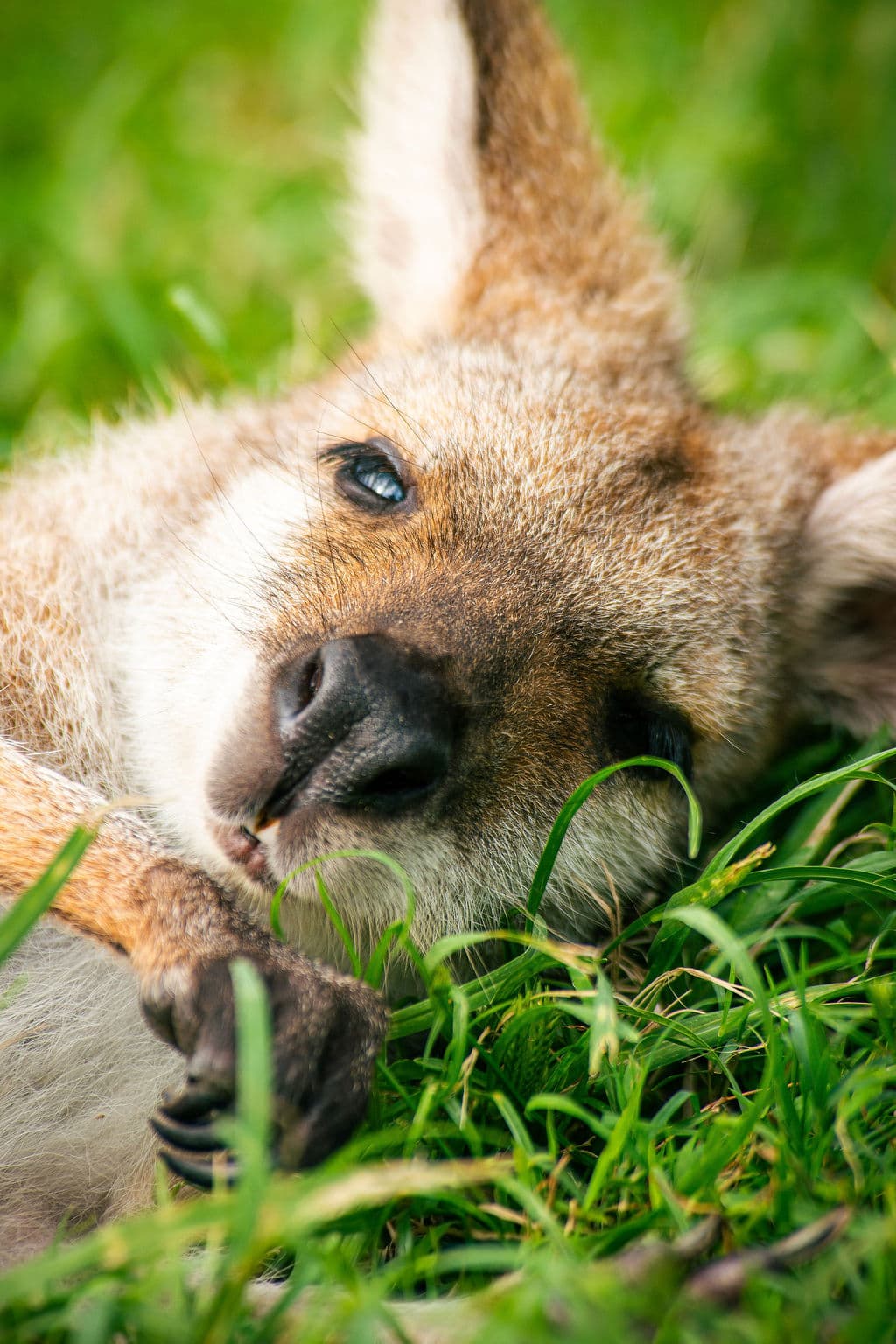
If an animal is injured, sick, orphaned or in danger, call for help first.
Contact a qualified wildlife rescue service, wildlife carer or vet as soon as possible. Injured wildlife can bite, scratch, kick or carry disease, so never attempt to handle snakes, bats, large kangaroos, any animal behaving aggressively, or any animal that may pose a risk to your safety.
What to do in the first few minutes.
- 01
Stay safe
Check for traffic, pets, children and other dangers before you approach.
- 02
Keep calm
Reduce noise, movement and handling wherever you can.
- 03
Contain safely
Only if it is safe, place small animals in a ventilated box with a towel.
- 04
Keep warm and quiet
Somewhere dark, quiet and secure while you seek help.
- 05
Contact help
Call a wildlife rescue service, carer or vet for advice.
Good intentions can still cause harm.
- Do not give food or water unless a carer or vet advises it.
- Do not keep wildlife overnight without guidance.
- Do not handle snakes, bats or large injured animals.
- Do not let children or pets near injured wildlife.
- Do not post exact locations publicly if the animal is vulnerable.
When in doubt, keep your distance and make the call. A carer would much rather answer a question than treat an animal that has been handled the wrong way.
Helpful contacts
Who to call around Echuca and Moama.
These contacts are shared to help the community find support. Please confirm details before relying on them in an emergency.
Wildlife rescue and care
Bohollow Wildlife Shelter
Wildlife care and support. Please contact respectfully and only when appropriate.
Deb Fowler 0418 328 671 or Kirsty Ramadan 0447 636 953
Visit websiteRegional rescue directory
Coming soonWe are compiling a wider list of local rescue services and carers.
Veterinary support
Echuca Moama Veterinary Clinic
Veterinary support and emergency assessment for animals where available.
(03) 5483 5999
Visit websiteSpecialist relocation
Local snake catcher
Coming soonFor snakes in homes, yards or unsafe public areas.
Bee relocation
Coming soonFor bee swarms or hives where safe relocation may be possible.
Report a wildlife or environmental concern.
Use the reporting form to log injured wildlife, road incidents, habitat damage or environmental concerns. You can upload photos and share the exact location, which helps us build a picture of where problems keep happening.
Open the reporting formThe Hub
In developmentWhat we are building toward.
Regional wildlife support leans heavily on a small number of volunteers and carers. The Wildlife Response Hub is our plan to take some of that weight, and to help people act earlier and more safely.
Clear first guidance
One place that tells people what to do in the first ten minutes, before anything else.
A local contact directory
Verified rescue services, carers, snake catchers and vets across the region, kept current.
Practical support for carers
Helping with transport, equipment and the everyday costs that fall on local carers.
Prevention and education
Roadside awareness, wildlife-friendly properties and the habits that stop incidents happening.
None of this is live yet. If you are a carer, vet, shelter or service and want to be part of it, get in touch.
Regional Wildlife Call & Response Centre
Currently in developmentConnecting wildlife with the right help, faster.
Tracks of Change is developing a regional wildlife response service designed to make finding and coordinating help for injured, sick and displaced wildlife simpler.
Starting in regional Victoria, the service will bring together public reporting, trained triage and a network of wildlife rescuers, carers, veterinary professionals and other services, helping each animal reach the most appropriate support.
Report. Triage. Respond. Recover. Release.
Wildlife questions we are asked most.
Help us build a better response for the region.
Donations go toward equipment, education, transport support and the groundwork behind the Wildlife Response Hub.